
Restoring the Forth, One Oyster at a Time
Our brilliant Cleaning Supervisor, Phillipa, recently volunteered a day cleaning hundreds of European flat oysters as part of the Restoration Forth project, delivered in partnership with WWF and local communities.
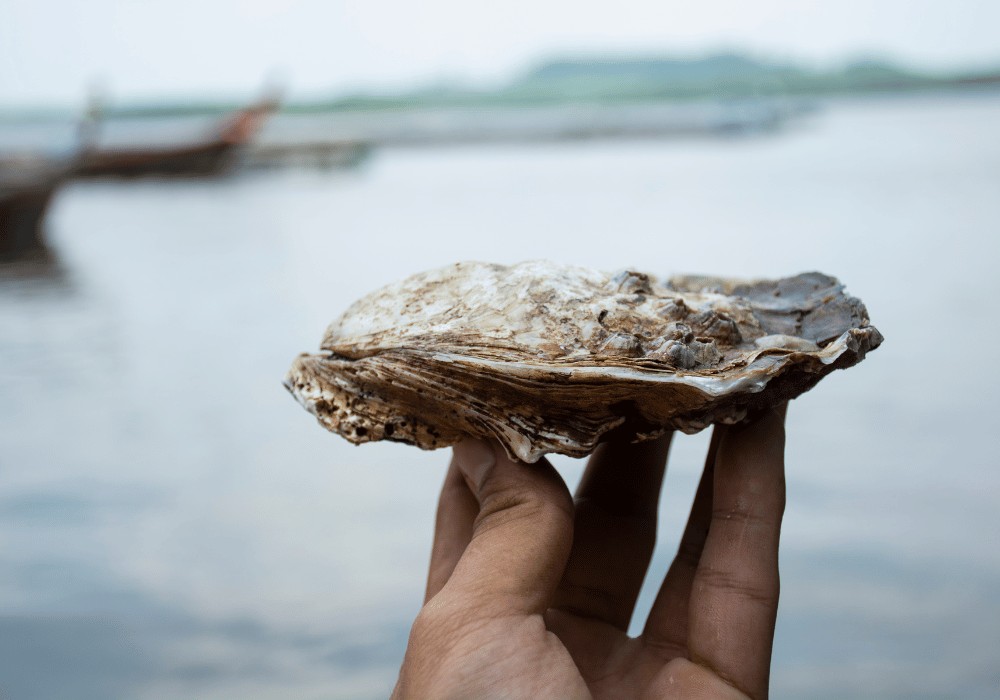
But why clean oysters?
The Firth of Forth has faced challenges over the years, from pollution and overfishing to the impacts of industrial activity. Restoration Forth aims to reverse this damage by restoring seagrass meadows and reintroducing native European flat oysters. These oysters are vital “ecosystem engineers” that help filter water and create thriving marine habitats.
European flat oysters have declined globally by around 85%. Projects like Restoration Forth are working to change that, carefully reintroducing oysters to help rebuild a thriving, balanced ecosystem in the Forth.
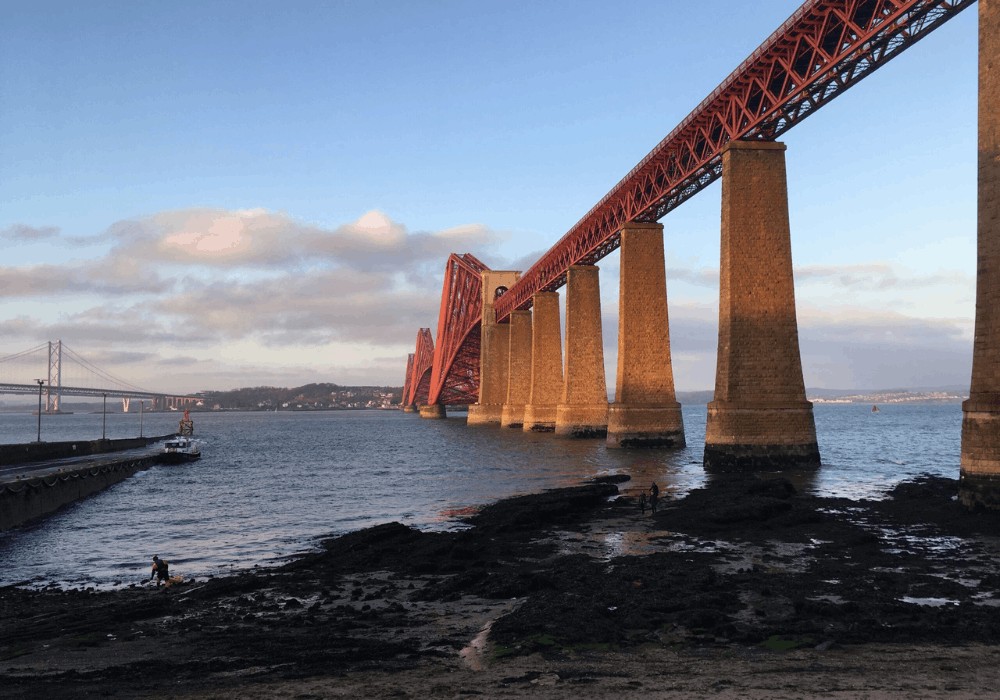
A Rich Oyster History in Edinburgh
Seafood has long been a staple of life along Scotland’s coastline, and the Firth of Forth was once home to the largest native oyster bed in the world, spanning over 50 square miles! However, over-harvesting, disease, and pollution led to a dramatic decline, and by the 1950s, oysters had become endangered in the area.
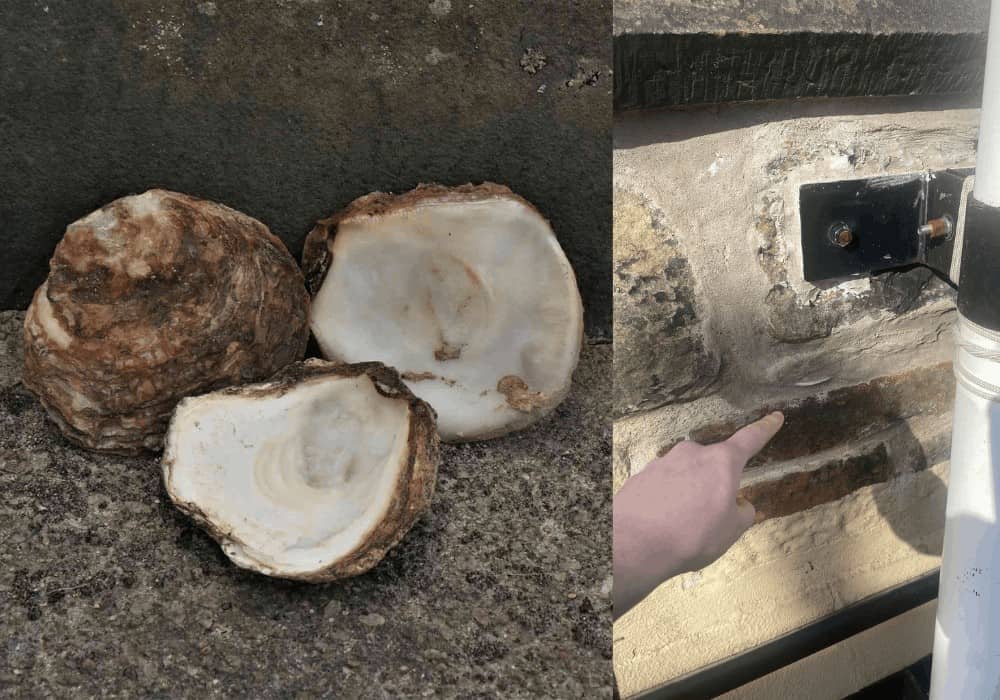
Back in the 18th century, oysters were plentiful and had many uses. They were eaten by both rich and poor as a cheap snack and were also used to pack the joints in the stonework of buildings. Edinburgh was also famous for its oyster taverns, or “oyster cellars”, a form of entertainment peculiar to Edinburgh.
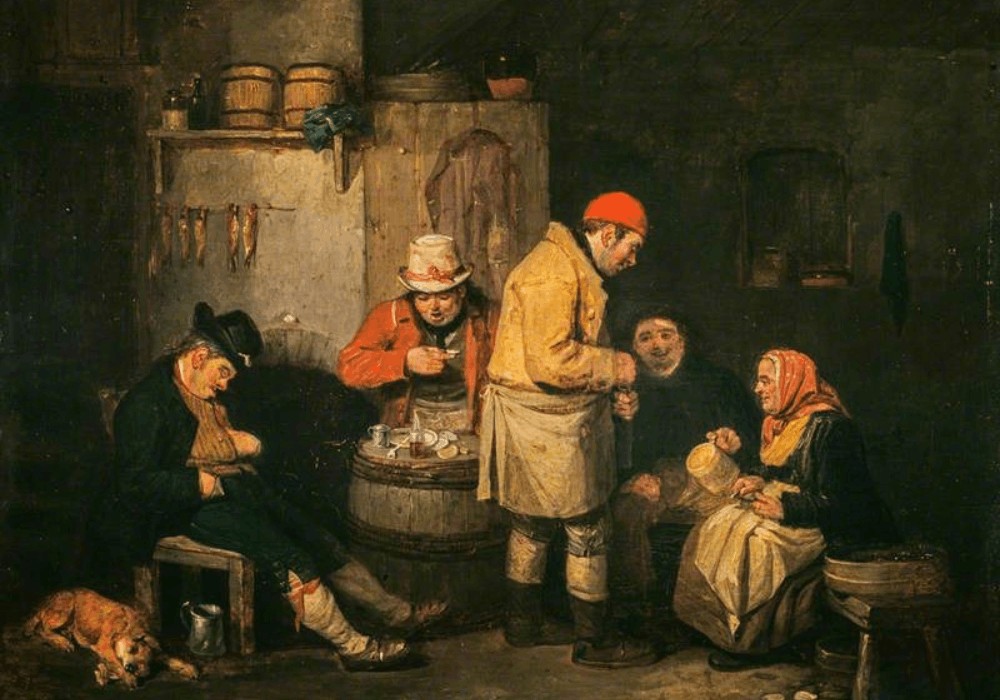
An Oyster-cellar in Leith, John Burnet. National Galleries of Scotland Collection.
If you visit our historic building, you can still spot traces of this history today. Take a look at the walls from our Rooftop Terrace, you might just notice remnants of oysters embedded in the stonework!
Get Involved
Inspired by Phillipa’s efforts? You can get involved too. The Restoration Forth project welcomes volunteers who want to make a difference to Scotland’s marine environment. Find out more here.
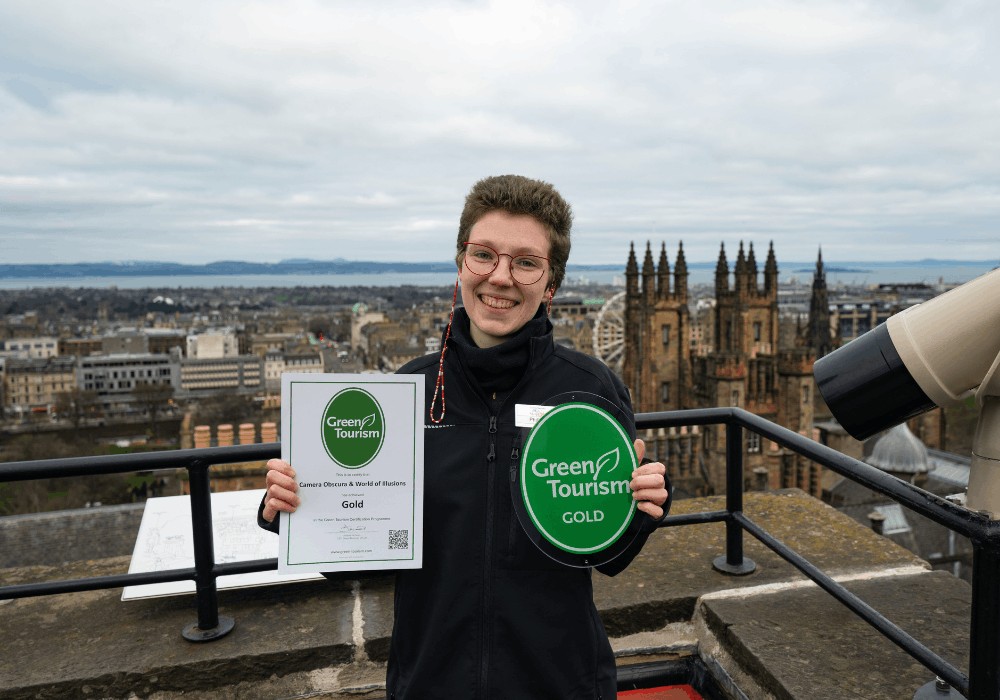
Hear more about our sustainability efforts here.